Capabilities
Royal doorman and darban service
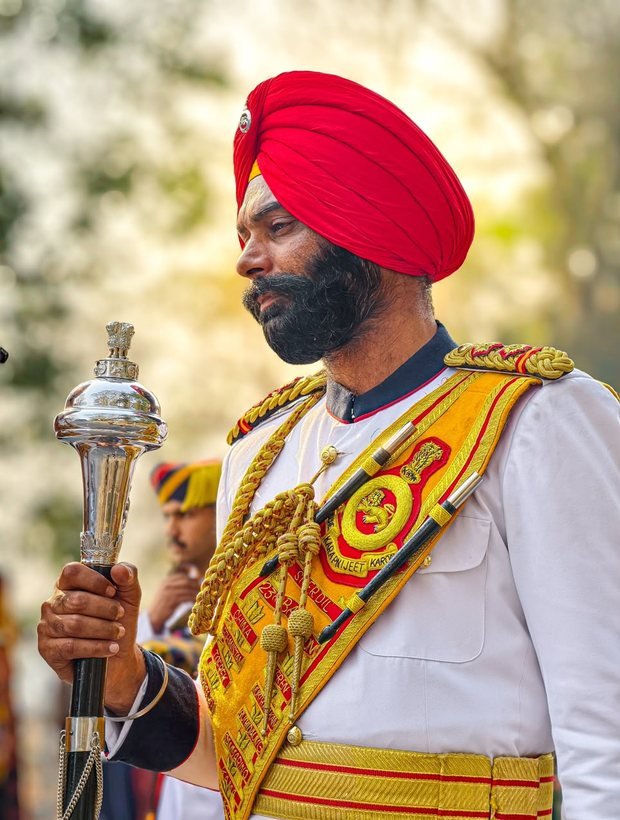
The moustached darban at the door, in turban and tunic, placed and briefed so the first thing a guest meets is a welcome rather than a queue.
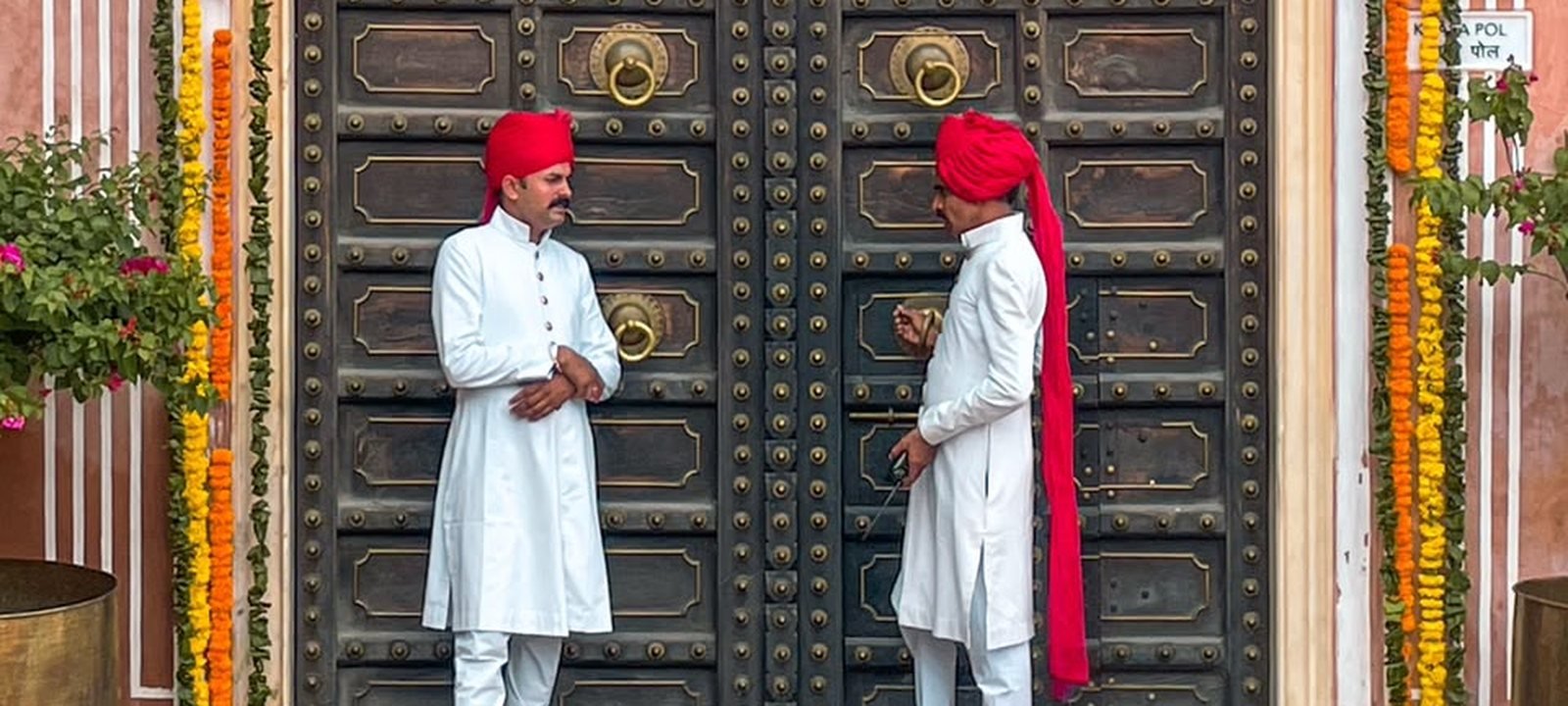
The entrance is the one part of an event every single guest passes through, and it is usually the part nobody has staffed. Guests arrive in twos and threes across ninety minutes, and what meets them is a security guard with a clipboard and a door somebody props open with a chair.
A darban solves that. He is the moustached doorman in turban, tunic and sash that Indian palace hotels have kept on the door for a century, and he is booked under a dozen names — royal doorman, traditional welcome staff, royal guest welcome attendant, traditional event host, royal wedding doorman, moustache doorman. It is one role: to stand at the entrance, hold the door, and make arriving feel deliberate.
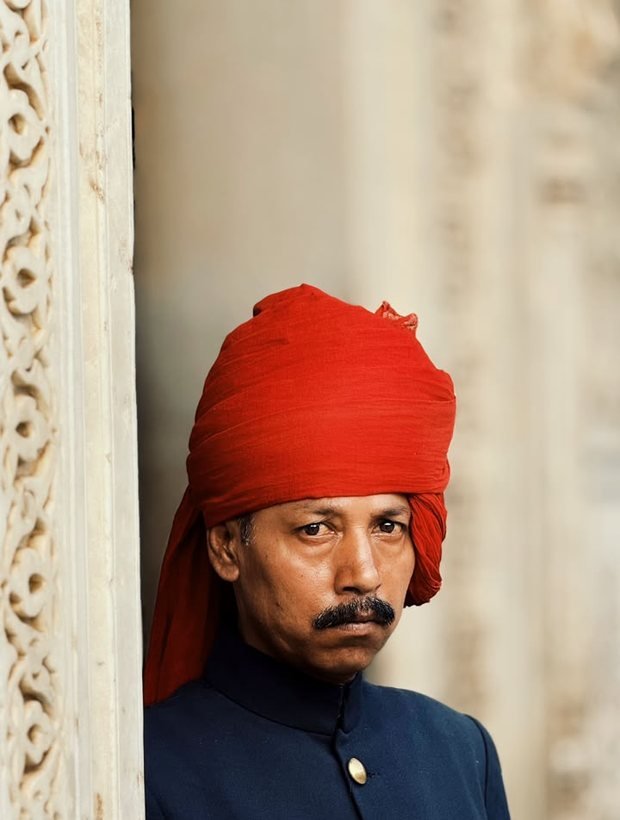
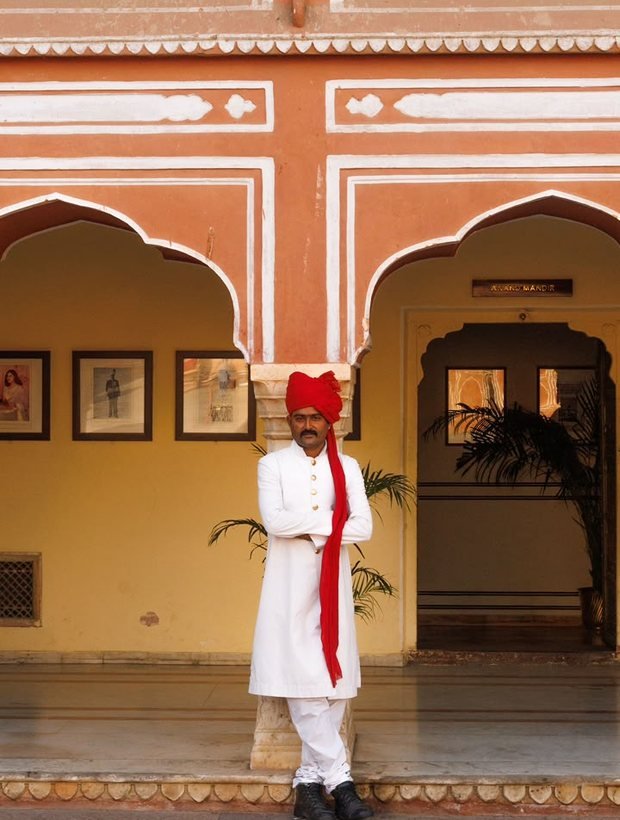
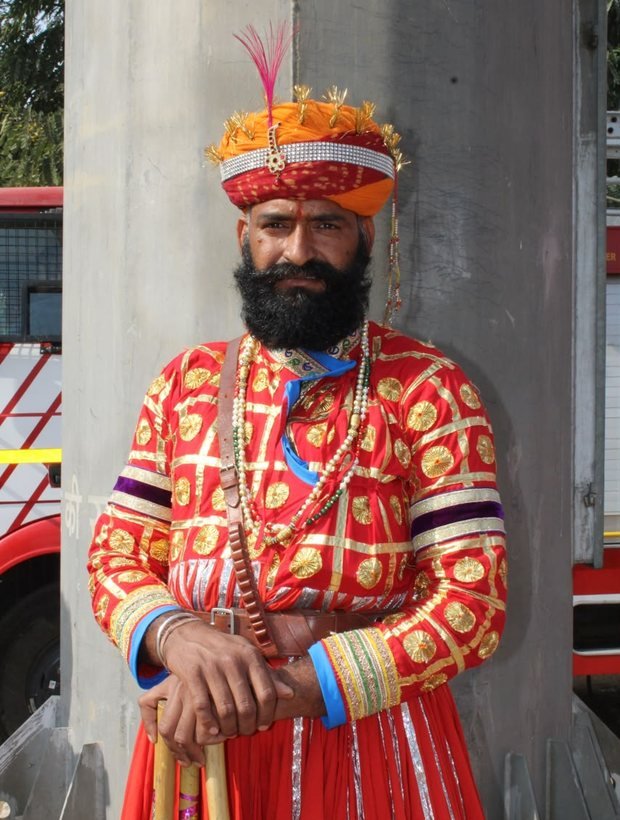
We supply them costumed and briefed rather than simply sent. Costume is matched to the event rather than to a single stock look — the white achkan and red safa that reads as Rajput hospitality, or the fuller ceremonial dress that suits a wedding entrance. Where the host wants the traditional welcome performed as well as attended, tilak, aarti and garland are handled at the door by the same team.
One thing worth saying plainly: a darban is a welcome, not security. He will hold a door, direct a guest and stand a two-hour shift looking immaculate. He will not manage a crowd or check invitations against a list. Where an entrance needs both, we say so and staff them separately.
What the booking includes
- Costumed darban and welcome staff
- Tilak, aarti and garland welcome
- Briefed before guests arrive
- Costumed darban in turban, achkan and sash
- Traditional welcome staff for the entrance line
- Tilak, aarti and garland welcome where the host wants it
- Costume matched to the event, not one stock look
- Briefed on the host’s family and the names that matter
- Placement plan for gate, lobby and stage
How it works
01
Tell us the entrance, not just the venue
Where guests actually arrive, over how long, and where the photographs will be taken. A single gate and a porte-cochère with a lift lobby need different numbers.
02
We size and place the team
How many at the gate, how many inside, and whether anyone is needed at the stage. Placement is decided against the arrival window rather than the guest count.
03
They are briefed before guests arrive
Who the hosts are, which names must be recognised on sight, and what the welcome ritual is. The brief goes out before the day, not at the gate.
At the door
Costume matched to the entrance
Questions
Is this the same as the moustache doorman at palace hotels?
Yes — same role. It gets booked as a darban, a royal doorman, traditional welcome staff or moustache welcome staff depending on who is asking, and we treat all of those as the same request.
How many do we need?
It follows the entrance rather than the headcount. One gate with guests arriving steadily is a different job from three entrances filling at once, so tell us how people arrive and we will size it.
Can they perform the traditional welcome as well as stand at the door?
Yes. Tilak, aarti and garland at the entrance are usually done by the same team, but tell us at the time of booking because it changes the brief and the timing.
Send us the dates. We will send back a plan.
Tell us where your guests land, how many of them there are and what has to happen while they are here. You will have a written movement plan and an itemised quotation back within one working day.